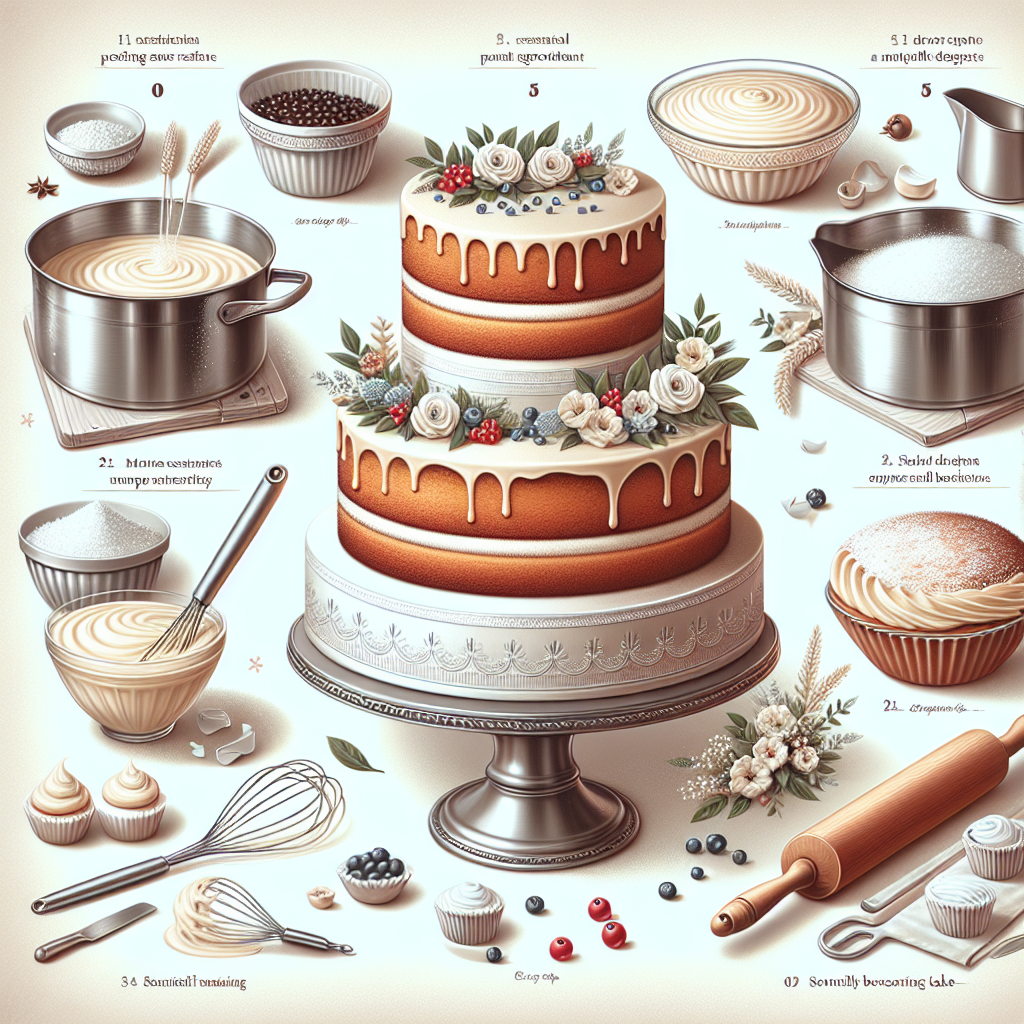
Creating classic cakes is not just about following a recipe; it’s an art that requires a balance of technique, creativity, and understanding of the ingredients. Whether you are an experienced baker or just starting out, mastering classic cake recipes can elevate your baking game. In this guide, we will explore how to perfect your skills in making classic cake recipes through five easy steps. By the end, you will not only feel confident in your abilities but also inspire others with your delicious creations.
The Importance of Classic Cake Recipes
Classic cake recipes hold a special place in the culinary world. They evoke nostalgia and represent timeless traditions that can be enjoyed at any age. These recipes are often passed down through generations and form the backbone of many celebrations, from birthdays to weddings. Mastering these recipes doesn’t just equip you with baking skills; it also connects you to a rich history of culinary artistry.
This article will guide you through essential steps to achieve mastery in these delightful treats. Expect tips, insights, and practical advice to make baking classic cakes a rewarding endeavor.
Step 1: Understanding the Basics of Cake Making
Before diving into specific classic cake recipes, it’s crucial to understand the foundational elements of cake making. Here, we will break down the essential components that contribute to the perfect cake.
Ingredients Matter
The choice of ingredients can greatly affect the outcome of your classic cake recipes. Here are the key ingredients you’ll need:
- Flour: All-purpose flour is commonly used; however, cake flour can enhance the texture of light, airy cakes.
- Sugar: Granulated sugar is standard, but brown sugar can add a deeper flavor and moisture.
- Eggs: Essential for structure and moisture; use room temperature eggs for better incorporation.
- Fat: Butter is traditional and adds flavor, while oil can create a moist texture.
- Leavening Agents: Baking powder or baking soda is critical for rising.
- Flavorings: Vanilla extract is a staple, but don’t shy away from experimenting with other extracts and spices.
Mixing Techniques
Mixing methods vary depending on the type of cake you’re making. For example, the creaming method incorporates air into the batter, making it light and fluffy, ideal for classic cakes like yellow cake. In contrast, the one-bowl method is simpler and effective for denser cakes.
For a more in-depth understanding, refer to the King Arthur Baking’s guide on cake baking fundamentals.
Step 2: Selecting Your Classic Cake Recipes
Not all classic cake recipes are created equal. To master this skill, start with a selection of recipes that are renowned for their flavors and textures. Here are some must-try classic cake recipes:
- Classic Vanilla Cake: A versatile base for many frostings and fillings.
- Chocolate Cake: Rich and indulgent, perfect for chocolate lovers.
- Red Velvet Cake: A Southern classic that’s visually stunning and delicious.
- Carrot Cake: Moist and flavorful, often paired with cream cheese frosting.
- Genoise Cake: A light sponge cake that serves as a base for various desserts.
Choosing recipes that intrigue you will motivate you to practice and improve your skills. For additional inspiration, check out the wide range of Food Network’s classic cake recipes.
Step 3: Perfecting Your Baking Techniques
Now that you have a solid understanding of the basics and have chosen your recipes, it’s time to focus on perfecting your baking techniques. Here are crucial tips to ensure success in baking your classic cakes:
Prepping Your Ingredients
Before you start mixing, read through your recipe thoroughly. Measure all ingredients accurately, and allow dairy products and eggs to reach room temperature. This step is vital for achieving an even texture and proper rise.
Oven Temperatures Matter
Preheating your oven is non-negotiable. Most classic cake recipes require specific temperatures to achieve the desired crumb and rise. Invest in an oven thermometer to ensure the accuracy of your oven’s temperature.
Know When to Check for Doneness
Classic cakes may require different baking times. Start checking for doneness a few minutes before the suggested time by using the toothpick method. Insert a toothpick into the center of the cake; it should come out clean or with a few crumbs.
Step 4: Decorating Your Cakes
Once your cakes have cooled, it’s time to add the finishing touches. Proper decorating can elevate your classic cake recipes to a new level. Here’s how to approach it:
Essential Tools
Equip yourself with the right tools for decorating, such as:
- Angled spatula for smooth frosting application
- Cake turntable for easy handling
- Piping bags and tips for decorative elements
Frosting Techniques
Mastering different frosting techniques can enhance the visual appeal of your cakes. Whether it’s a simple buttercream finish or intricate fondant designs, practice is key. Consider using a combination of flavors for added depth, such as pairing chocolate cake with raspberry frosting.
Presentation
Never underestimate the power of presentation. Use cake stands, fresh fruits, edible flowers, or chocolate shavings to add a personal touch to your decorated cakes. The goal is to create an enticing masterpiece that will impress your guests.
Step 5: Experimenting and Perfecting Your Craft
As you gain confidence in your baking skills, don’t be afraid to experiment with your classic cake recipes. Here are some ways to elevate your baking experience:
Try New Flavors
Don’t shy away from adapting classic recipes to include modern flavors. For instance, add citrus zest to your vanilla cake or espresso powder to your chocolate batter. This experimentation can lead to exciting new creations while still honoring traditional techniques.
Keep a Baking Journal
Document your baking journey by keeping a baking journal. Note down what worked, what didn’t, and any adjustments you made to classic cake recipes. This practice will help you gain deeper insights into your baking style and preferences.
Join a Community
Engage with other baking enthusiasts. Whether it’s joining local baking clubs or virtual forums, sharing experiences and learning from others is invaluable. Websites like Reddit’s baking community are great platforms for receiving feedback and exchanging tips.
Checklist for Mastering Classic Cake Recipes
To summarize your journey toward mastering classic cake recipes, here is a handy checklist:
- Understand your ingredients and their roles
- Choose classic cake recipes that intrigue you
- Prep ingredients carefully and measure accurately
- Execute proper mixing and baking techniques
- Decorate with creativity and practice various techniques
- Experiment with flavors and keep notes on your baking
- Engage with communities for feedback and support
Frequently Asked Questions (FAQs)
What are the basic tools needed for baking cakes?
You’ll need mixing bowls, measuring cups, a whisk, a spatula, and baking pans. Optional tools like a mixer and a cake turntable can make your process easier.
Can I substitute ingredients in classic cake recipes?
Yes, you can substitute ingredients, but it may alter the final texture and flavor. For example, replacing all-purpose flour with almond flour will create a denser cake.
How do I prevent my cakes from sinking in the middle?
Ensure you’re measuring your flour accurately and avoiding overmixing your batter, which can develop gluten and lead to a dense cake.
What is the best way to store cakes?
Cakes should be stored in an airtight container at room temperature if eaten within a few days. For longer storage, consider freezing them.
How can I make my cakes more moist?
Incorporating ingredients like sour cream, yogurt, or buttermilk can enhance moisture in cakes. Additionally, avoid overbaking your cake.
Can I make classic cake recipes ahead of time?
Absolutely! Many classic cakes can be baked in advance and frozen. Just ensure they are wrapped well to avoid freezer burn.
How can I master classic cake recipes?
Practice, patience, and a willingness to learn from each experience is key. Follow the steps outlined in this article, and don’t hesitate to experiment!
Conclusion
Mastering classic cake recipes is a rewarding journey that combines skill, creativity, and a passion for baking. By understanding the basics, selecting the right recipes, and refining your techniques, you can create culinary masterpieces that bring joy to yourself and others. Remember, baking is as much about the process as it is about the product. So roll up your sleeves, preheat your oven, and let your journey into the world of classic cake recipes begin! Don’t forget to share your experiences and creations with your community, inspiring others to embark on their baking adventures.
