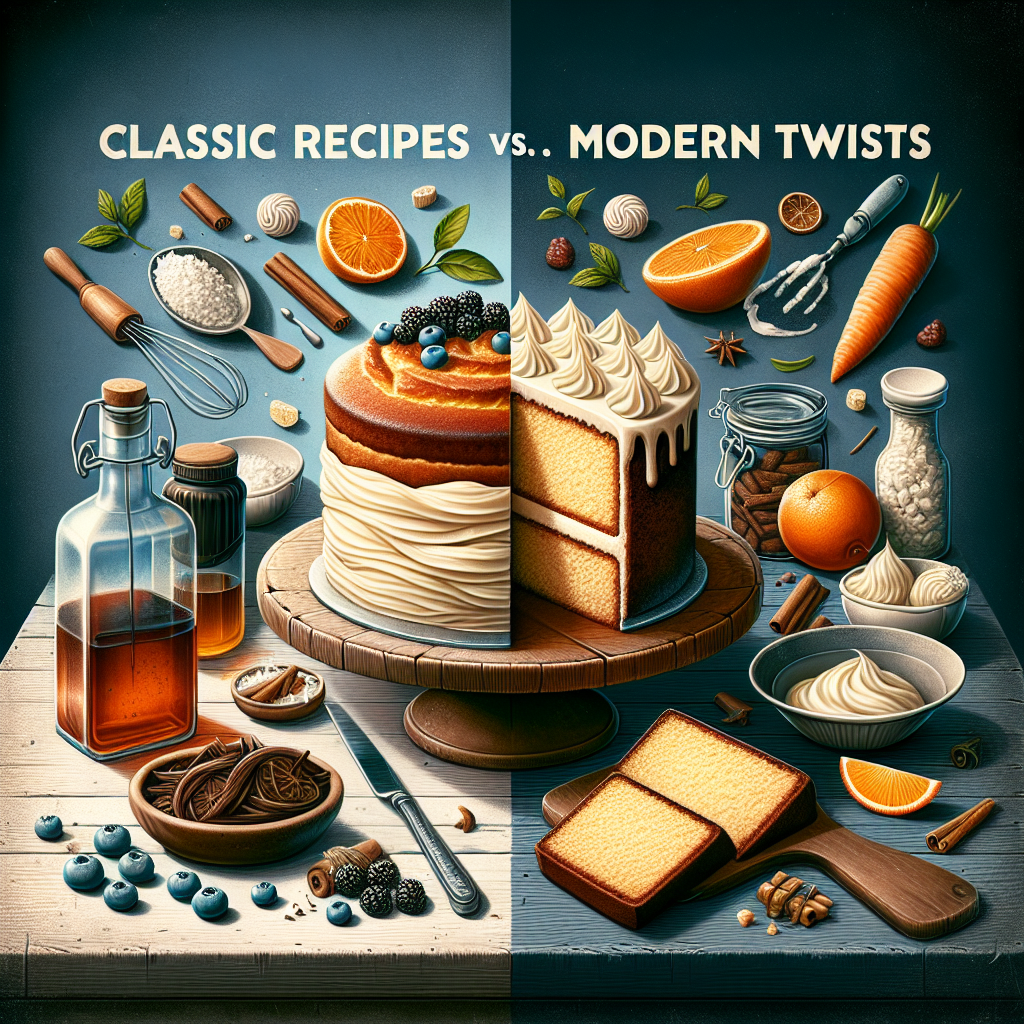
When it comes to baking, few things evoke nostalgia quite like classic cake recipes. From the rich, moist layers of a chocolate cake to the light, airy sponge of a vanilla chiffon, classic cakes have been the heart of countless celebrations throughout generations. But as we march further into the 21st century, a modern baking revolution is underway. Chefs and home bakers alike are infusing traditional recipes with innovative ingredients and techniques, challenging our perceptions and preferences. This article delves into the debate of classic cake recipes versus their modern counterparts—examining flavors, techniques, and cultural significance to help you determine which is truly better for your next baking project.
The Allure of Classic Cake Recipes
Classic cake recipes offer a sense of comfort and familiarity. These recipes have stood the test of time, often passed down through families and cherished during holidays, birthdays, and other celebrations. One of the key advantages of classic cake recipes is their simplicity. Ingredients are often straightforward: flour, sugar, eggs, butter, and baking powder form the backbone of many beloved cakes. For instance, the iconic pound cake, with its equal weights of butter, sugar, eggs, and flour, exemplifies this straightforward approach.
Moreover, classic cakes come with an emotional connection. Bakers often have fond memories associated with preparing these recipes—whether it’s a mom teaching her daughter how to bake a birthday cake or a grandmother’s secret recipe that has been cherished for decades. These stories bring life to the process, making the act of baking a classic cake not just about the end product, but the relationships and memories built along the way.
The Rise of Modern Twists
Yet, the culinary world is ever-evolving, and modern twists on classic cake recipes have become increasingly popular. Today’s bakers are experimenting with unique flavors, textures, and ingredients. From matcha-infused sponge cakes to decadent salted caramel ganache, the scope of creativity is limitless. These modern interpretations cater to diverse tastes and dietary needs, incorporating elements like gluten-free flours, vegan substitutions, and international flavors.
For example, a modern take on a classic carrot cake might include roasted spices, unique nuts like pistachios, or even a hint of citrus zest. Such innovations not only elevate flavors but also invite a new generation of bakers to engage with cake-making. The inclusion of trendy ingredients—like avocado, chia seeds, or even alternative sweeteners—represents an exciting avenue that classic recipes may not be able to explore.
Flavor Profiles: Classic vs. Modern
Classic cake recipes typically feature familiar flavor profiles that evoke comfort and nostalgia. For instance, a traditional red velvet cake often combines a mild chocolate flavor with tangy cream cheese frosting, a combination that has delighted palates for generations. Similarly, classic vanilla sponge cakes rely on the purity of vanilla extract, highlighting the simple yet rich flavor of the cake.
On the other hand, modern twists push the boundaries of flavor. By integrating unexpected ingredients—such as lavender, chai spices, or even alcohol-infused syrups—modern cakes can provide a unique sensory experience that challenges traditional norms. A modern tiramisu cake might include layers soaked in espresso and infused with hints of amaretto, showcasing a delightful departure from its classic roots.
Checklist for Choosing Between Classic and Modern Cakes
- Consider the occasion: Is it a formal event or a casual family gathering?
- Evaluate the audience: Are your guests more traditional, or do they enjoy experimental flavors?
- Assess dietary needs: Are there allergies or dietary restrictions you need to consider?
- Personal skill level: Are you more comfortable with classic techniques, or are you ready to explore modern methods?
- Time and resources: Do you have time to source unusual ingredients or complex recipes?
Techniques: Traditional vs. Innovative
Techniques in baking also draw a stark contrast between classic cake recipes and modern twists. Traditional cake-making often involves straightforward methods such as creaming butter and sugar or folding in egg whites for airy textures. Many classic cakes, such as genoise or angel food cake, rely heavily on the skill of the baker to achieve the desired consistency and structure.
In contrast, modern baking frequently incorporates advanced techniques such as sous-vide, molecular gastronomy, and even the use of high-tech kitchen gadgets like food thermometers and digital scales. These innovations allow for precision and experimentation, creating cakes with unique textures and flavors that can surprise and delight. Techniques like freeze-drying fruits for garnishes or using liquid nitrogen to quickly set elements of the cake are becoming more common, pushing the envelope of what cake can be.
Cultural Significance: The Heart of Baking
Classic cake recipes often embody the cultural heritage of a region or community. For instance, the British fruitcake is laden with dried fruits and nuts, a reflection of traditional methods of preservation. Similarly, the American birthday cake, often a layered vanilla cake with colorful frosting, symbolizes celebration and joy in countless households.
Modern twists, however, can also reflect a fusion of cultures, introducing elements from different culinary traditions. For instance, a Japanese matcha cake might combine traditional green tea with classic Western cake methods, appealing to a broader range of palates and encouraging culinary exploration. This blend of cultures not only diversifies the cake landscape but also fosters a sense of inclusiveness in the baking community.
Advantages and Disadvantages of Classic and Modern Cakes
| Aspect | Classic Cake Recipes | Modern Twists |
|---|---|---|
| Familiarity | Comforting and nostalgic | Innovative and adventurous |
| Ingredients | Simple, straightforward | Unique and varied, but may require special sourcing |
| Skill Level | Accessible for beginners | Can be complex, requiring advanced techniques |
| Cultural Importance | Rich heritage and tradition | Promotes fusion and diversity |
| Health Considerations | Often higher in sugar and fat | Can cater to dietary restrictions (e.g., gluten-free, vegan) |
The Future of Baking: Trends to Watch
The future of baking is bright and filled with possibilities. Trends such as plant-based baking and gluten-free options are becoming mainstream, encouraging bakers to adapt classic cake recipes to meet the needs of a more health-conscious audience. Furthermore, sustainability is becoming a key consideration, with an increasing number of bakers sourcing local and organic ingredients.
Another trend is the rise of baking technology, with many home bakers turning to smart devices that make measuring, mixing, and baking more accurate and efficient. These innovations can help introduce a new wave of bakers who may feel intimidated by traditional methods. As the world of baking continues to evolve, it’s essential to embrace both classic and modern cake recipes. Each offers something unique, ensuring that the art of cake-making remains a vibrant and joyful activity.
Frequently Asked Questions (FAQs)
1. What defines a classic cake recipe?
A classic cake recipe is often characterized by its straightforward ingredients and traditional preparation methods that have been passed down through generations.
2. Are modern twists on classic cakes healthier?
Modern twists often incorporate alternative ingredients that can cater to dietary restrictions, but not all are necessarily healthier. It depends on the specific recipe.
3. Can I use classic cake recipes for special dietary needs?
Yes, many classic recipes can be adapted by replacing certain ingredients to accommodate dietary restrictions, such as using gluten-free flour or dairy alternatives.
4. How do I choose between a classic cake and a modern twist for an event?
Consider the audience, the occasion, and any dietary restrictions before choosing between a classic cake recipe and a modern twist.
5. What is the most popular classic cake recipe?
The chocolate cake is often considered one of the most beloved classic cake recipes, enjoyed for its rich flavor and versatility.
6. Are modern cakes more difficult to bake than classic cakes?
Some modern cakes may require more advanced techniques and ingredients, but there are also many simple modern recipes available for novice bakers.
7. Where can I find reliable recipes for classic cakes?
Reputable culinary websites, baking cookbooks, and family recipe collections are excellent sources for classic cake recipes.
Conclusion: A Sweet Compromise
As we navigate the rich landscape of cake baking, the debate between classic cake recipes and modern twists is less about choosing one over the other and more about appreciating both for what they bring to the table. Classic cakes evoke fond memories and a sense of tradition, while modern cakes challenge our palates and encourage creativity. Ultimately, the best cake is the one that brings joy—whether that’s an old family recipe or a daring new creation. So, gather your ingredients, and let the baking begin; the ultimate cake experience awaits!
